
Affordable Watchmakers Reinvent Luxury Dial Design
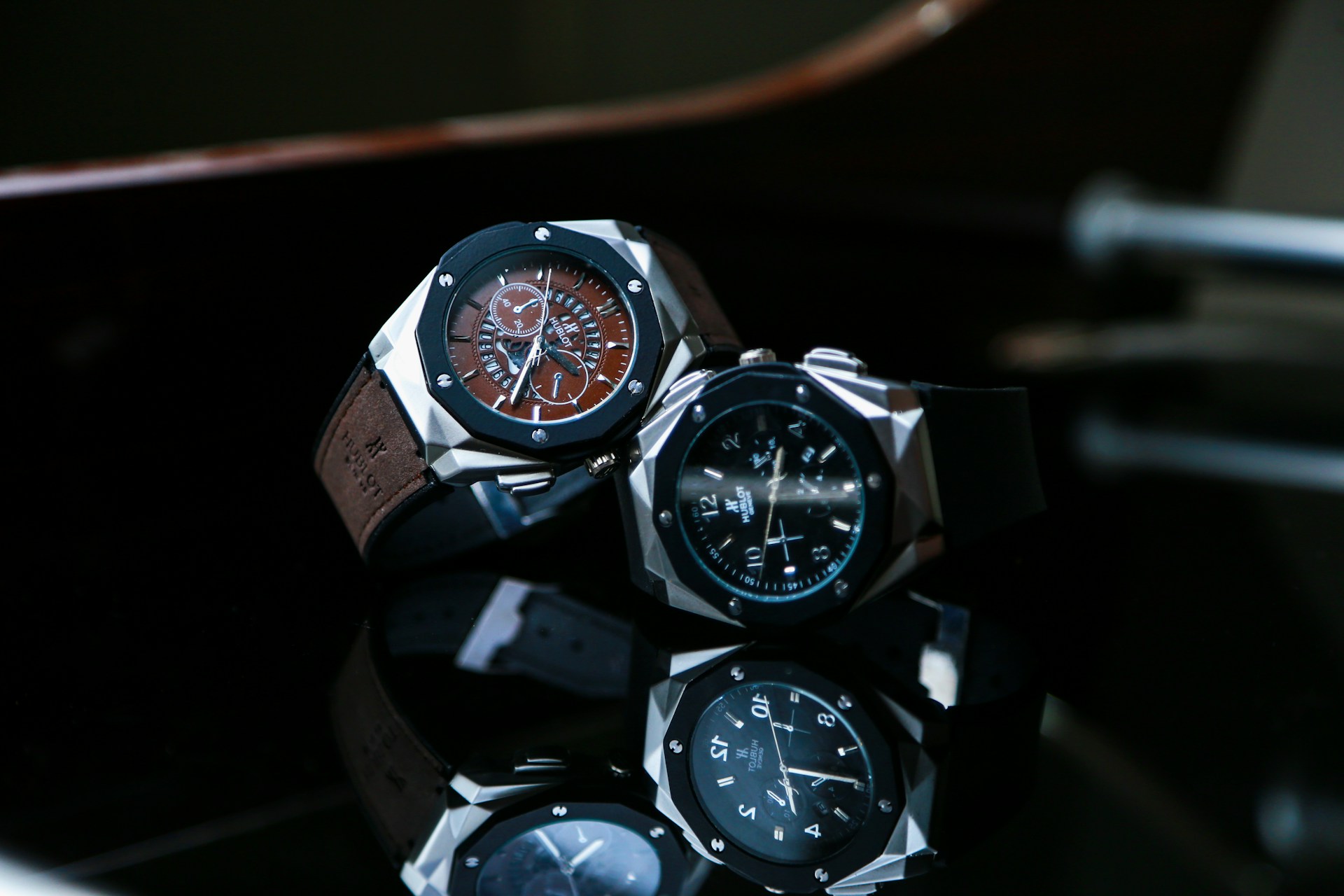
The design of the watch dial is emerging as a key driver of innovation in the luxury watch market, with a growing number of smaller brands introducing bold colours and unconventional materials to attract buyers seeking distinctive aesthetics without traditional luxury price tags.
For decades, watch design focused primarily on technical innovation, including movements and complications. Yet demand has increasingly shifted toward visual differentiation, particularly in dial design. The trend gained momentum after established manufacturers experimented with brighter colours and unusual materials. Rolex’s 2020 Oyster Perpetual models in shades such as orange, pink, yellow and turquoise demonstrated the commercial appeal of vibrant dials, echoing earlier moments in the brand’s history when unconventional colours briefly appeared on its “Stella” Day-Date models during the 1970s. Designs once viewed as too unconventional for conservative collectors are now highly sought after in the secondary market.
Luxury houses have long experimented with distinctive dial materials. Piaget introduced dress watches featuring hard stone dials made from materials such as jade, coral, tiger’s eye and lapis lazuli as early as 1963. The aesthetic spread to other high-end watchmakers including Patek Philippe and Cartier. However, such experimentation faded during the quartz crisis of the 1970s, when the Swiss watch industry faced intense competition from cheaper electronic timepieces.
Today, the resurgence of interest in distinctive dials spans both the luxury and more accessible segments of the market. High-end examples remain expensive, with watches such as Piaget’s Andy Warhol model featuring a malachite dial priced around $55,000, while a Rolex GMT-Master II with a meteorite dial exceeds $50,000. Yet a new group of watchmakers is producing similar visual effects using different production approaches and lower-cost movements.
Dennison, a historic British brand revived in 2024, has gained traction with watches featuring hard stone dials combined with quartz movements. The company planned to sell 2,000 watches in 2025 but ultimately sold 4,500 units. Its ALD Dual Time model combines tiger’s eye and marble in a split dial design while remaining priced below £1,000.
Other brands are pursuing similar strategies using unusual materials such as lapis lazuli, meteorite, timascus and fordite, a layered automotive paint material. The growing popularity of these designs illustrates how visual experimentation has become a defining element of watchmaking competition, as brands attempt to capture consumers drawn to distinctive aesthetics without the traditional cost associated with high-end mechanical craftsmanship.