
Birkin Dominance Complicates Hermès Watchmaking Ambitions
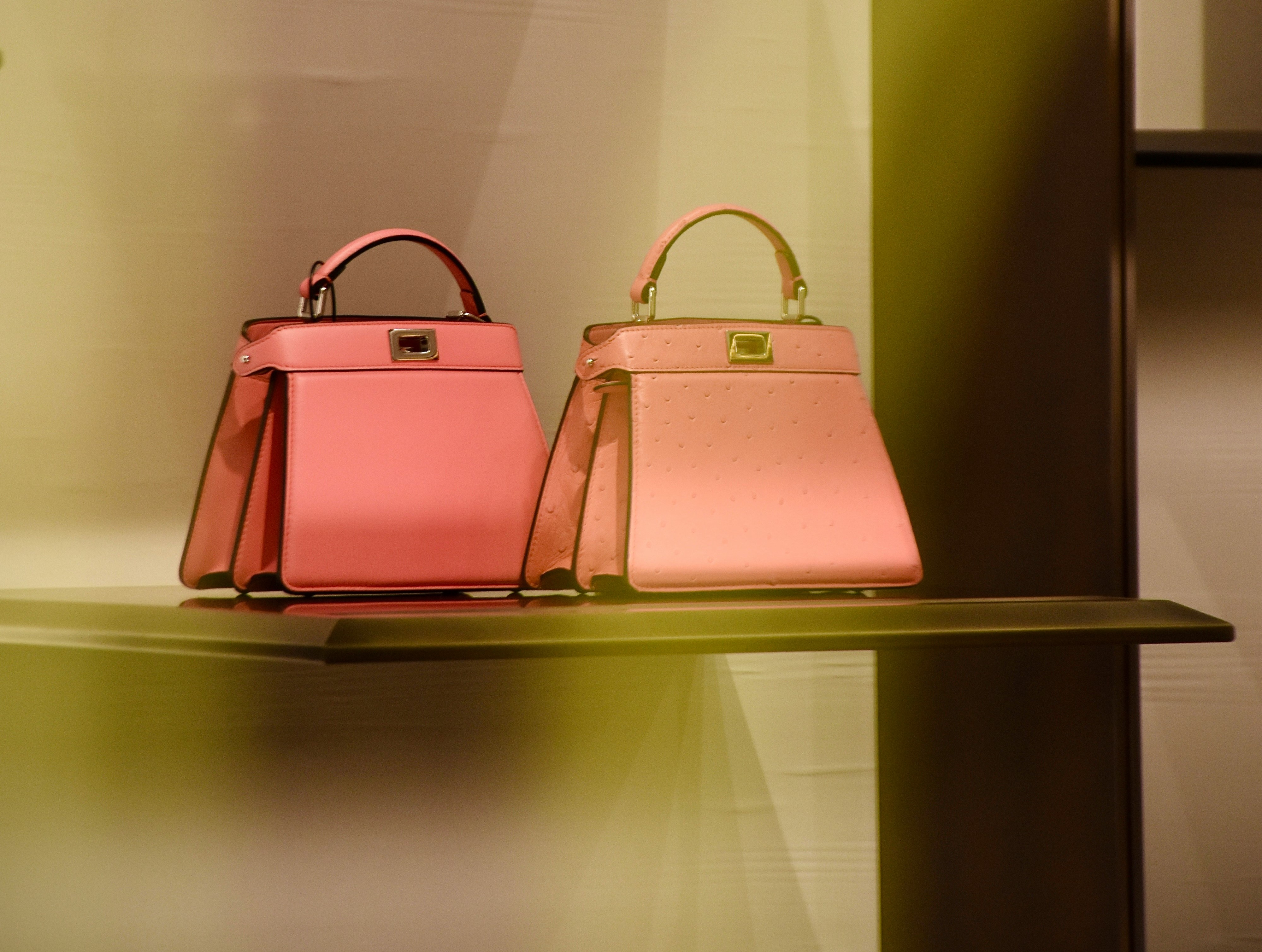
Hermès has spent years trying to establish itself as a serious force in high-end watchmaking, but the extraordinary pull of the Birkin is complicating that ambition. The house’s most coveted handbag has become so dominant that some clients appear to treat watches less as objects of desire than as part of the journey towards securing one.
The watch division has almost tripled in size since 2019 and generated more than half a billion euros in sales in 2025. Hermès has also reduced production over time to reinforce scarcity and invested more heavily in Swiss watchmaking, signalling that it wants the category to stand on craftsmanship and mechanical credibility rather than fashion alone.
The difficulty is perception. In the secondary market, Hermès watches frequently trade well below retail prices, with average values around 41 per cent of their original price. That weak resale performance contrasts with houses such as Rolex and Cartier, where scarcity and collector demand reinforce the sense that a watch is desirable in its own right.
For Hermès, the tension is unusually delicate because the Birkin’s scarcity is one of the most powerful engines of luxury demand. Clients who believe spending across other categories improves their chances of obtaining a handbag can lift sales, but the same behaviour risks weakening the independence of watches as a collecting proposition.
The challenge is to make horology feel essential within the Hermès universe, not secondary to leather goods. If collectors begin to value the watches for design, movement and rarity rather than access to a Birkin, the category could develop into a more durable pillar of the house. Until then, its greatest icon remains both an advantage and a constraint.