
India’s luxury growth outpaces retail capacity
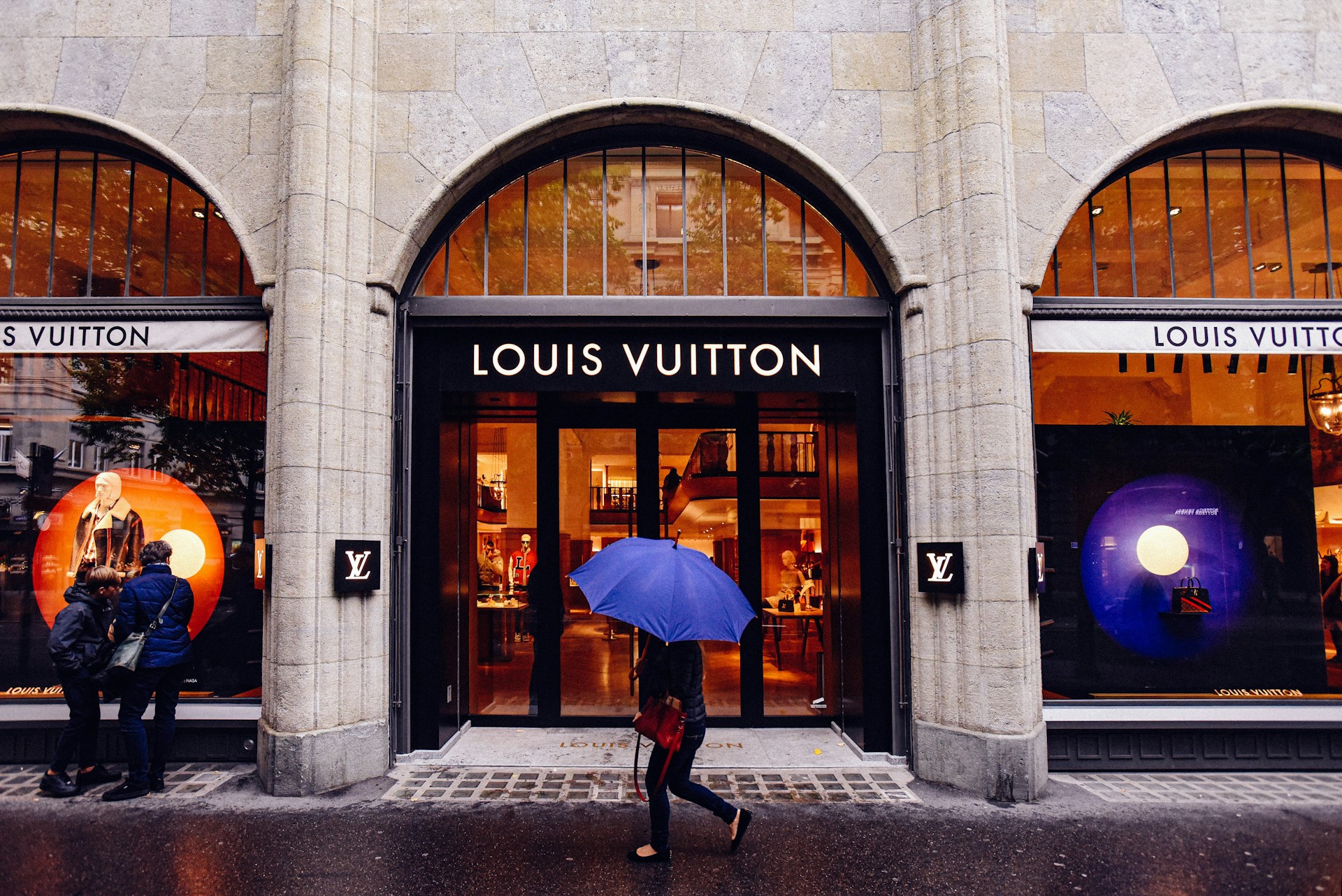
India’s luxury market is drawing rising interest from global brands, but its physical retail infrastructure remains too limited to support faster expansion. As wealth grows and consumer demand strengthens, the shortage of suitable high-end shopping space is emerging as the main constraint on the sector’s development.
India has only three true luxury malls, two in New Delhi and one in Mumbai, leaving international groups with very few locations that meet the standards required for premium retail. According to DLF, owner of two of those centres, brand owners from LVMH, Kering and Richemont are seeking additional space for labels they want to introduce to the market, but none is currently available. The developer is planning an expansion of Emporio that will double its leasable space to 160,000 square feet, although the project is unlikely to be operational before the end of 2028. Four luxury-focused mall projects are now being planned, including schemes in Mumbai, Hyderabad and Gurgaon, but these developments are expected to take several years.
The mismatch between wealth creation and store presence is striking. India ranks fourth globally in the number of individuals with wealth above $100mn, behind only the US, China and Japan, yet its luxury goods market was valued at just $12.1bn last year, less than 3 per cent of China’s. Several leading brands still have no physical stores in the country. Prada has no fashion stores and only one beauty outlet, while Chanel has one fashion store and seven fragrance and beauty boutiques. In China, by contrast, Prada operates 14 fashion stores and Chanel has 18, while some brands run 40 to 50 outlets.
In response, several groups are adapting their entry strategy. Some are taking space in premium malls that are not strictly luxury-focused, while others are relying on franchise agreements with local conglomerates such as Reliance, Aditya Birla Group and Tata Group. Galeries Lafayette’s Mumbai opening through Aditya Birla Fashion and Retail has provided an entry point for around 200 foreign brands, while Reliance Brands has brought in labels including Balenciaga, Tod’s and Stella McCartney.
The constraints are not limited to retail space alone. Developers face difficulty securing funding before brand commitments are confirmed, while luxury groups must also contend with import duties of 35 to 40 per cent that have long encouraged affluent Indian consumers to shop in overseas destinations such as Paris, Dubai and Singapore.