
Luxury carmaker Porsche loses ground in China
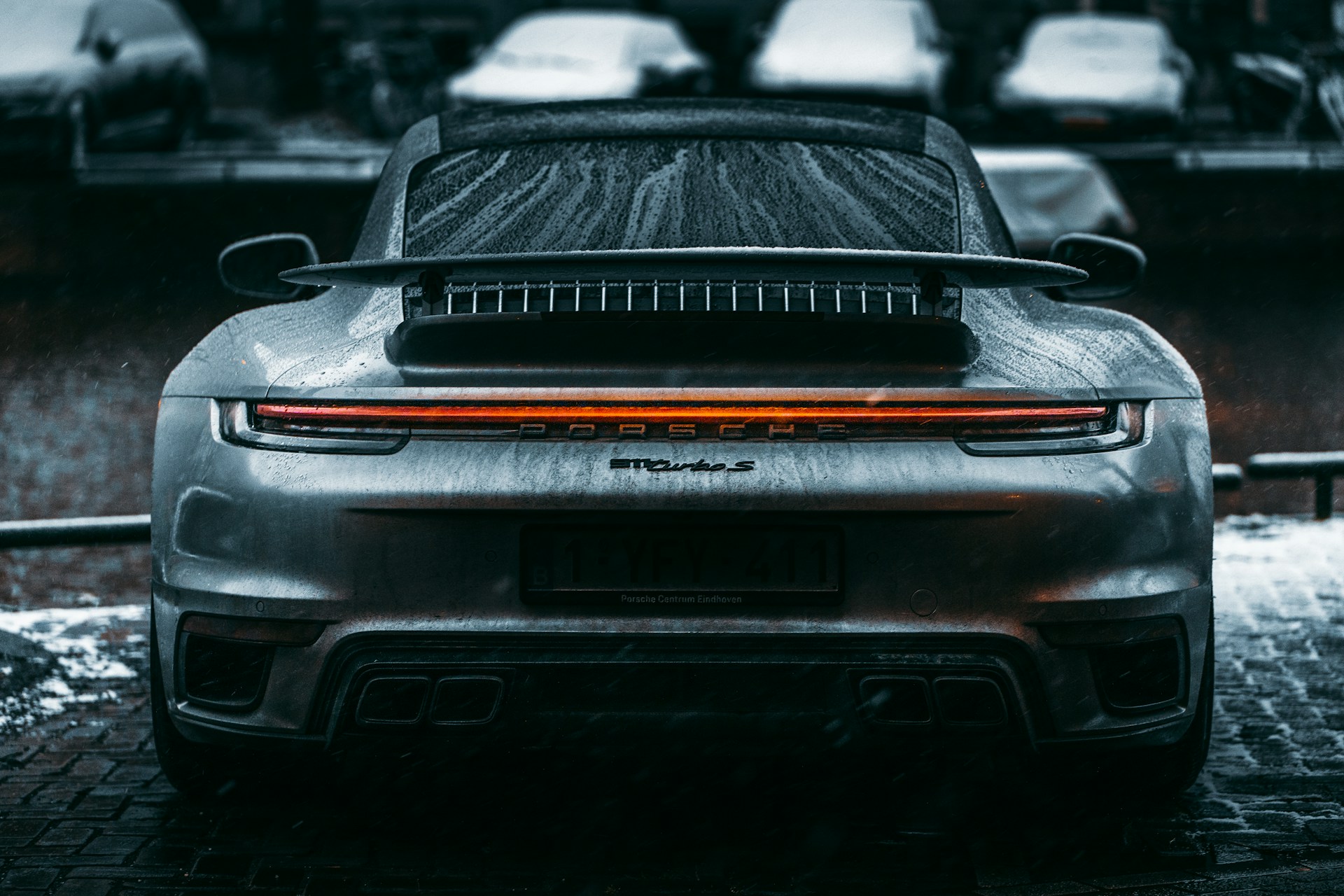
Porsche’s position in China’s luxury car market is weakening as domestic electric vehicle manufacturers increasingly capture demand among affluent buyers.
For decades, owning a Porsche sports car symbolised wealth among China’s expanding upper class. That status has begun to erode as local manufacturers develop premium electric vehicles that combine advanced software features with competitive pricing. The shift has contributed to a sharp fall in Porsche’s sales in the world’s largest car market, highlighting changing dynamics in the luxury segment.
The German brand’s deliveries in China declined significantly in 2025, reflecting both slowing luxury consumption and intensifying competition from local companies. Porsche’s overall global deliveries fell about 10 per cent last year to roughly 279,000 vehicles, marking the steepest annual drop since the global financial crisis in 2009. The decline was driven largely by weaker Chinese demand, where sales dropped by around 26 per cent.
China had long been a crucial growth engine for the company, but domestic producers such as BYD and Nio have accelerated their expansion in high-end electric models. These vehicles increasingly rival imported brands in performance, technology and digital connectivity, while often being offered at lower prices. Analysts say the rapid scaling of China’s EV industry has altered the competitive landscape for international marques that historically dominated the premium segment.
The challenges in China have also fed into wider pressure on Porsche’s financial performance. The manufacturer has faced falling margins and restructuring costs as it reassesses its strategy and adapts to shifting demand in global automotive markets. Operating profits dropped sharply in 2025 after tariffs, writedowns and strategic adjustments added to the strain on the business.
Despite the downturn, China remains a pivotal market for luxury vehicles. Porsche is now navigating a transition in which prestige alone no longer guarantees demand, as domestic EV brands redefine what high-end mobility means for the country’s increasingly technology-focused consumers.