
Luxury Houses Seek Milan’s Hidden Treasures
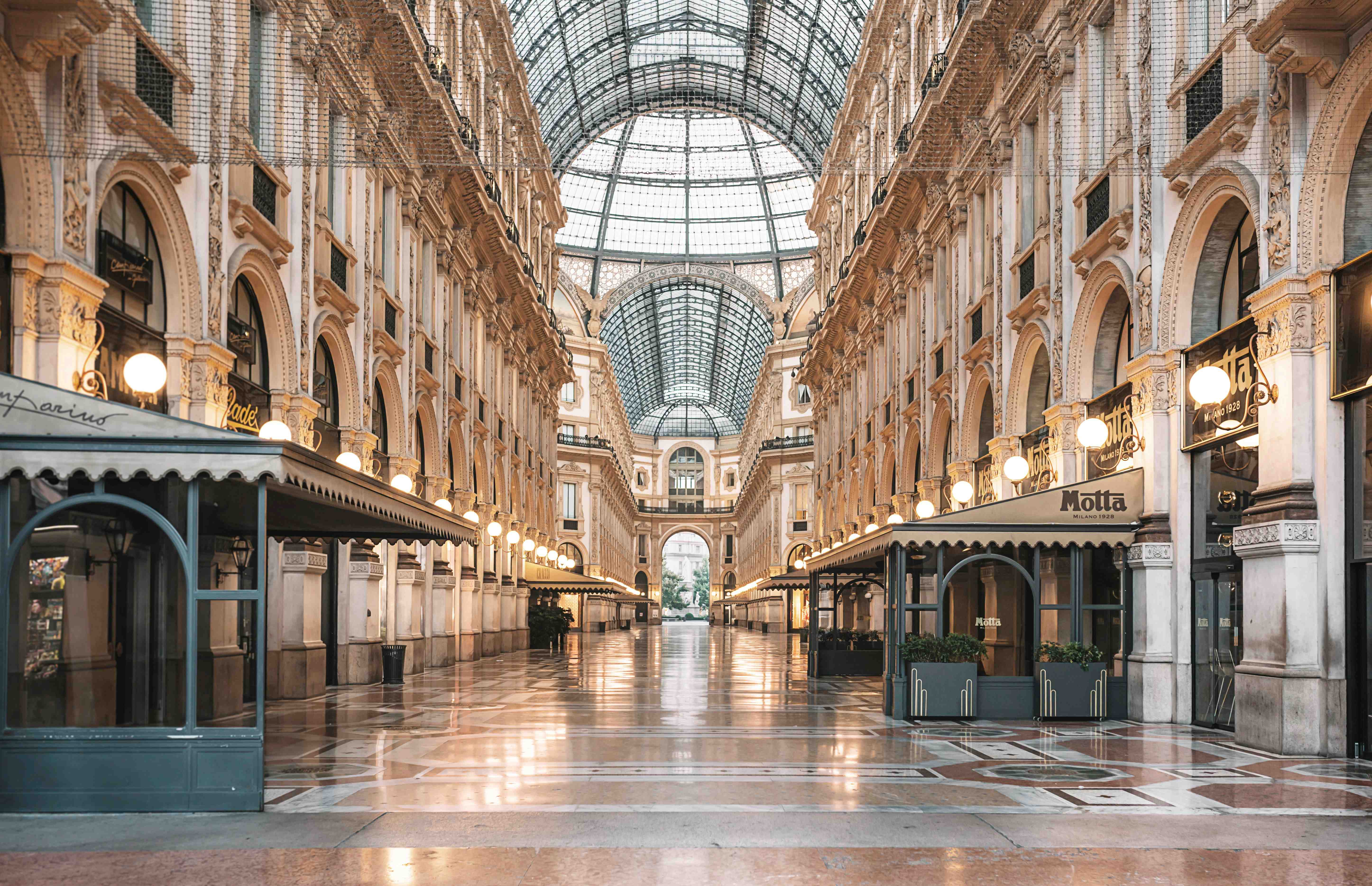
A new competition is unfolding in Milan’s historic centre as leading luxury houses pursue some of the city’s most coveted palazzos. Once valued primarily for their architectural significance, these discreet residences are becoming strategic assets for brands seeking new ways to express exclusivity in an increasingly competitive luxury landscape.
The race for Milan’s hidden palazzos reflects a broader evolution within the industry. As traditional retail models continue to evolve, luxury groups are placing greater emphasis on creating environments that embody heritage, craftsmanship and cultural identity. Historic properties offer something that purpose-built flagships often cannot: authenticity. Their architectural character, provenance and connection to place provide brands with an opportunity to create experiences that feel distinctive and difficult to replicate.
For many maisons, the appeal extends beyond visibility. Unlike prominent retail locations designed to attract large volumes of visitors, historic palazzos allow brands to cultivate a more intimate relationship with clients. These spaces increasingly host private appointments, cultural programmes, exhibitions and bespoke experiences tailored to a select audience. In doing so, they support a form of exclusivity rooted not in access to products alone but in access to place, knowledge and community.
Milan occupies a unique position within this transformation. Long regarded as one of the world’s leading centres of fashion, design and craftsmanship, the city offers luxury houses a rich cultural backdrop against which to build deeper narratives. Securing a historic property within the city provides more than a prestigious address. It enables brands to align themselves with a broader story of artistry, heritage and enduring cultural relevance.
The growing demand for these properties also signals a shift in how luxury value is being created. Increasingly, the most influential brands are investing not only in products but in environments capable of reinforcing identity and emotional connection. As consumers become more discerning and experience-driven, physical spaces are assuming a more strategic role within luxury brand ecosystems.
The competition for Milan’s palazzos ultimately reflects a changing definition of exclusivity. In a market where visibility is increasingly accessible, rarity is being found elsewhere. For many luxury houses, the future lies not simply in owning iconic products, but in securing extraordinary places that bring their worlds to life.