
Luxury’s Most Coveted Accessory Faces Reinvention
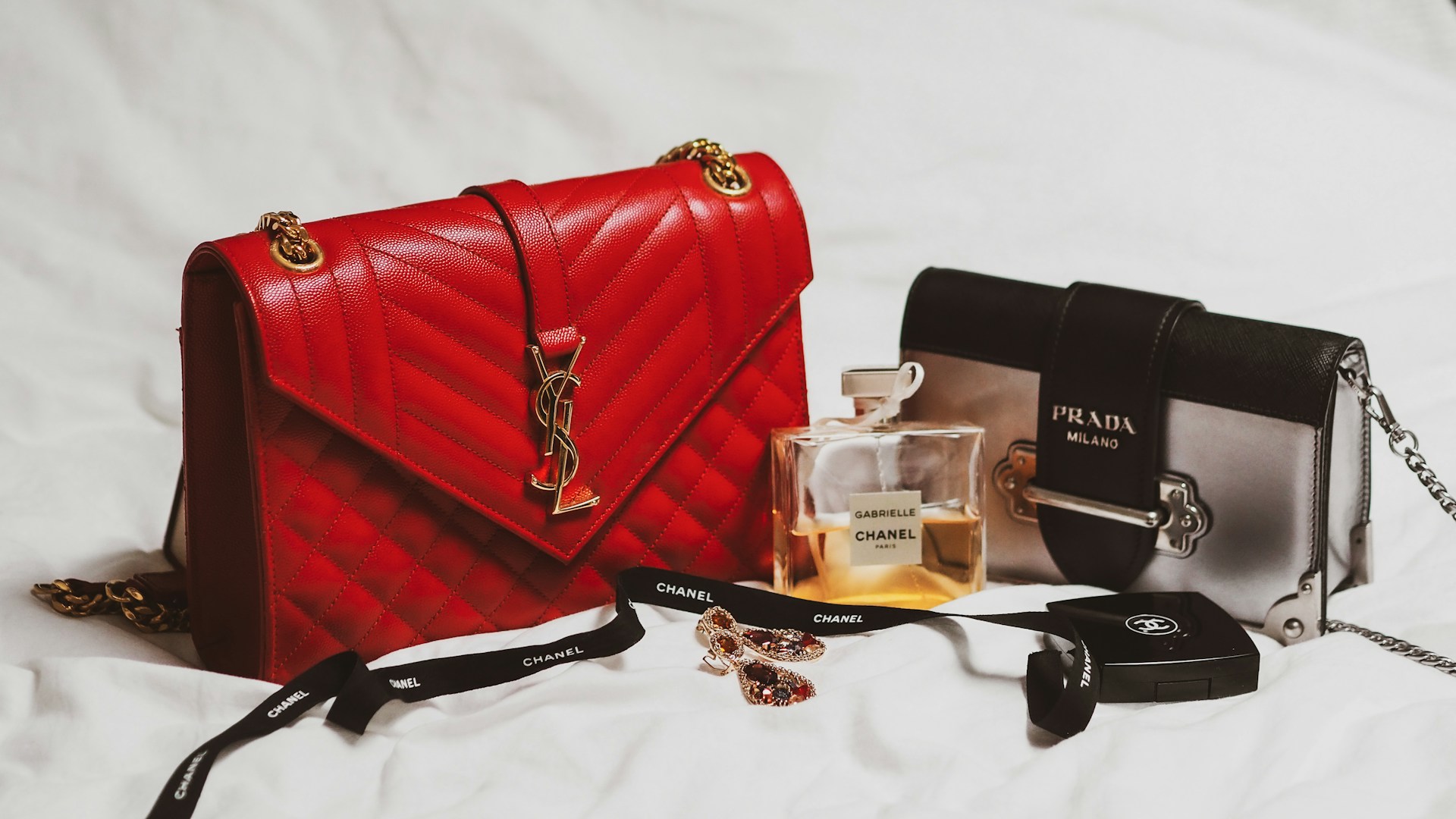
Few products have shaped the modern luxury industry as profoundly as the handbag. For decades, iconic designs have served as symbols of status, aspiration and craftsmanship, generating extraordinary demand while becoming central to the commercial success of the world’s leading maisons. Yet as luxury consumers become increasingly selective, the category is entering a period of reassessment that is reshaping traditional notions of desirability.
Recent market data suggests that demand for luxury handbags has moderated following years of exceptional growth. While the category remains one of luxury’s most influential revenue drivers, consumers are becoming more discerning about where and how they spend. Price increases implemented across the sector in recent years have altered purchasing behaviour, prompting greater scrutiny of value, craftsmanship and long-term appeal.
More significantly, a subtle shift is emerging in the psychology of luxury consumption. Ownership alone is no longer enough to confer distinction in a market saturated by visibility. As iconic handbags have become increasingly recognisable across social media and global fashion culture, some consumers are gravitating towards pieces that offer a stronger sense of individuality. Vintage designs, archival collections and harder-to-find creations are attracting renewed attention from buyers seeking rarity rather than familiarity.
This evolution reflects a broader transformation within the luxury landscape. Today’s affluent consumer remains deeply appreciative of heritage, craftsmanship and exceptional quality, yet increasingly values personal expression over widely recognised status symbols. The appeal of a luxury object is becoming less about signalling membership of an exclusive group and more about communicating taste, knowledge and cultural awareness. In this environment, scarcity derives not simply from price but from uniqueness.
For luxury houses, the challenge extends beyond sustaining demand for established icons. The greater task lies in creating the next generation of objects capable of inspiring enduring desire. Heritage remains a powerful advantage, but it must be complemented by creativity and relevance. As consumer preferences continue to evolve, the industry’s most successful brands are likely to be those that balance timeless craftsmanship with a renewed sense of exclusivity.
The luxury handbag is unlikely to lose its cultural significance. What is changing is the nature of aspiration itself. Increasingly, the most coveted pieces are not necessarily those recognised by everyone, but those understood by a select few.