
Small Luxuries Defy Britain’s Spending Squeeze
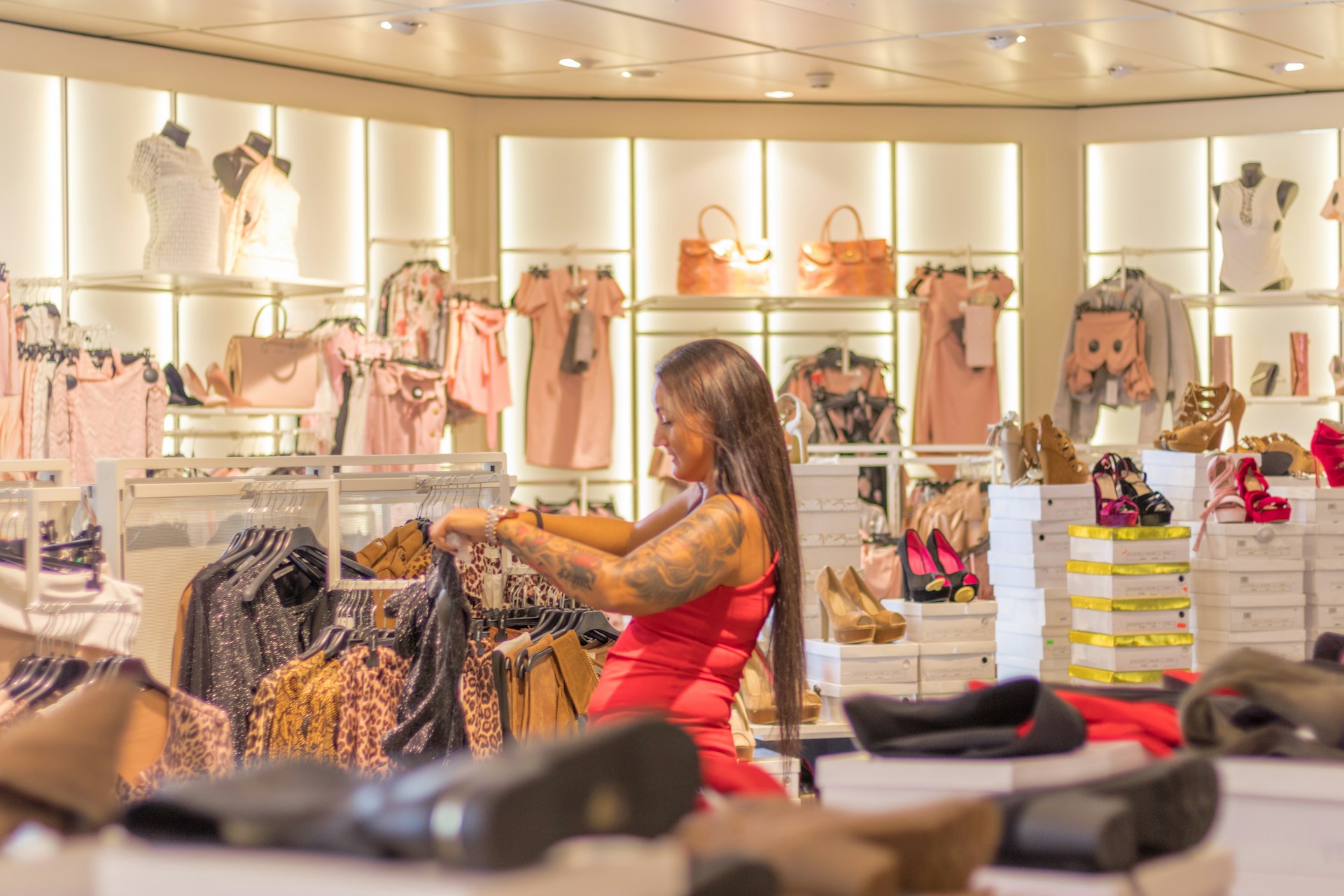
British consumers are spending with greater caution, but the desire for small indulgences remains remarkably intact. As household pressures reshape discretionary budgets, beauty and accessible premium products are emerging as areas where aspiration still finds room to breathe.
Retail sales rose just 0.7 per cent year on year in August, according to figures from the British Retail Consortium and KPMG, easing from 1.3 per cent in July. Non-food sales fell 0.8 per cent, reversing growth recorded a year earlier, as shoppers became more reluctant to commit to furniture, appliances and other higher-value purchases.
Yet beauty has followed a different rhythm. Consumers continue to make room for lower-cost premium products, reflecting the familiar lipstick effect, where modest luxuries retain their appeal even when larger purchases are postponed. In uncertain periods, these products offer something beyond function, a sense of polish, identity and reward without the commitment of a major purchase.
That instinct is also visible in spending on experiences. Barclays data showed entertainment expenditure rose 5.9 per cent in August, while domestic travel increased 3.5 per cent as more than a third of consumers chose a staycation. Overall card spending advanced 2.1 per cent year on year, its strongest increase in 13 months.
For luxury brands, the shift is less about consumers abandoning prestige than redefining what feels worthwhile. Desire remains, but it is becoming more considered, selective and personal. Smaller premium purchases can offer an entry point into luxury while preserving a sense of refinement. In a softer spending environment, brands able to combine emotional appeal with credible value may be best placed to sustain attention, loyalty and long-term relevance.