
Swiss Watchmaking Splits As Luxury Climbs
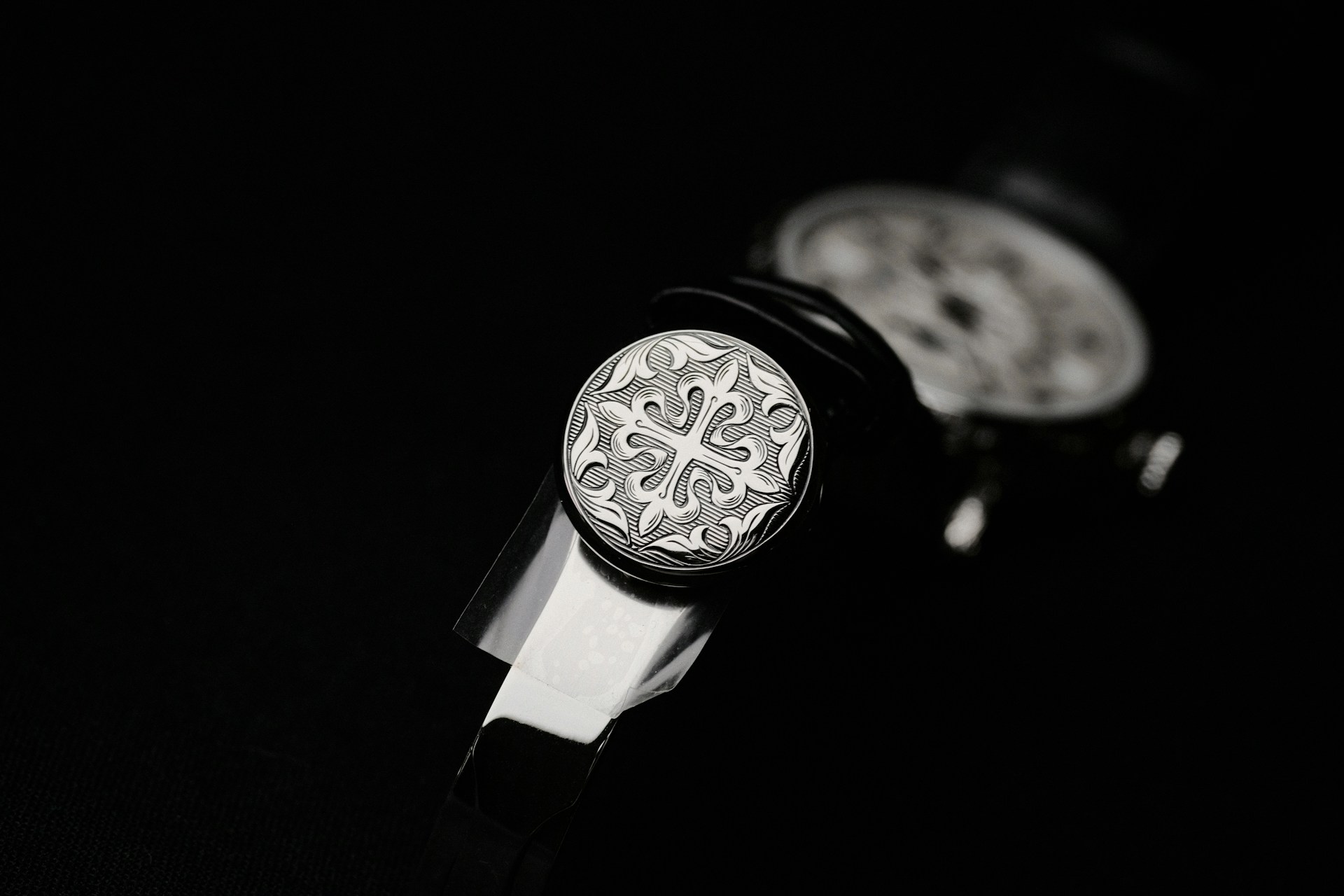
Swiss watchmaking is finding its strongest momentum at the very top of the market, where rarity, craftsmanship and collector appeal continue to command attention. Beneath that tier, however, the picture is less comfortable, with mid-range luxury watches struggling to generate the same urgency among buyers.
The divide is becoming increasingly visible across the industry. Collectors are concentrating spending on established maisons, exceptional complications and independent watchmakers with limited production. Rolex, Cartier and Omega continue to benefit from global recognition, while names such as F.P. Journe are attracting buyers drawn to scarcity and specialist craftsmanship.
That leaves a more difficult position for brands sitting between accessible prestige and haute horlogerie. Higher prices alone are no longer enough to create desirability, particularly as collectors become more informed and selective. The challenge is increasingly about giving buyers a convincing reason to choose one watch over another.
Recent export figures support that shift. Swiss watch exports strengthened in July, helped by demand for higher-priced pieces, while more accessible categories remained softer. The US continues to provide much of the industry’s momentum, while China remains a weaker market than it was during luxury’s previous growth cycle.
The secondary market is also changing how collectors judge value. Vintage pieces and certified pre-owned watches give buyers more choice, placing new releases in direct competition with designs that already carry history, rarity and established demand.
Swiss watchmaking is therefore not experiencing one uniform recovery. The upper reaches remain highly desirable, but the middle is becoming harder to defend. For maisons caught between scale and exclusivity, the next test will be creating distinction without relying simply on price.